PCOS: Causes, Symptoms, and Effective Management for a Healthier Life
Home / PCOS: Causes, Symptoms, and Effective Management for a Healthier Life
Home / PCOS: Causes, Symptoms, and Effective Management for a Healthier Life
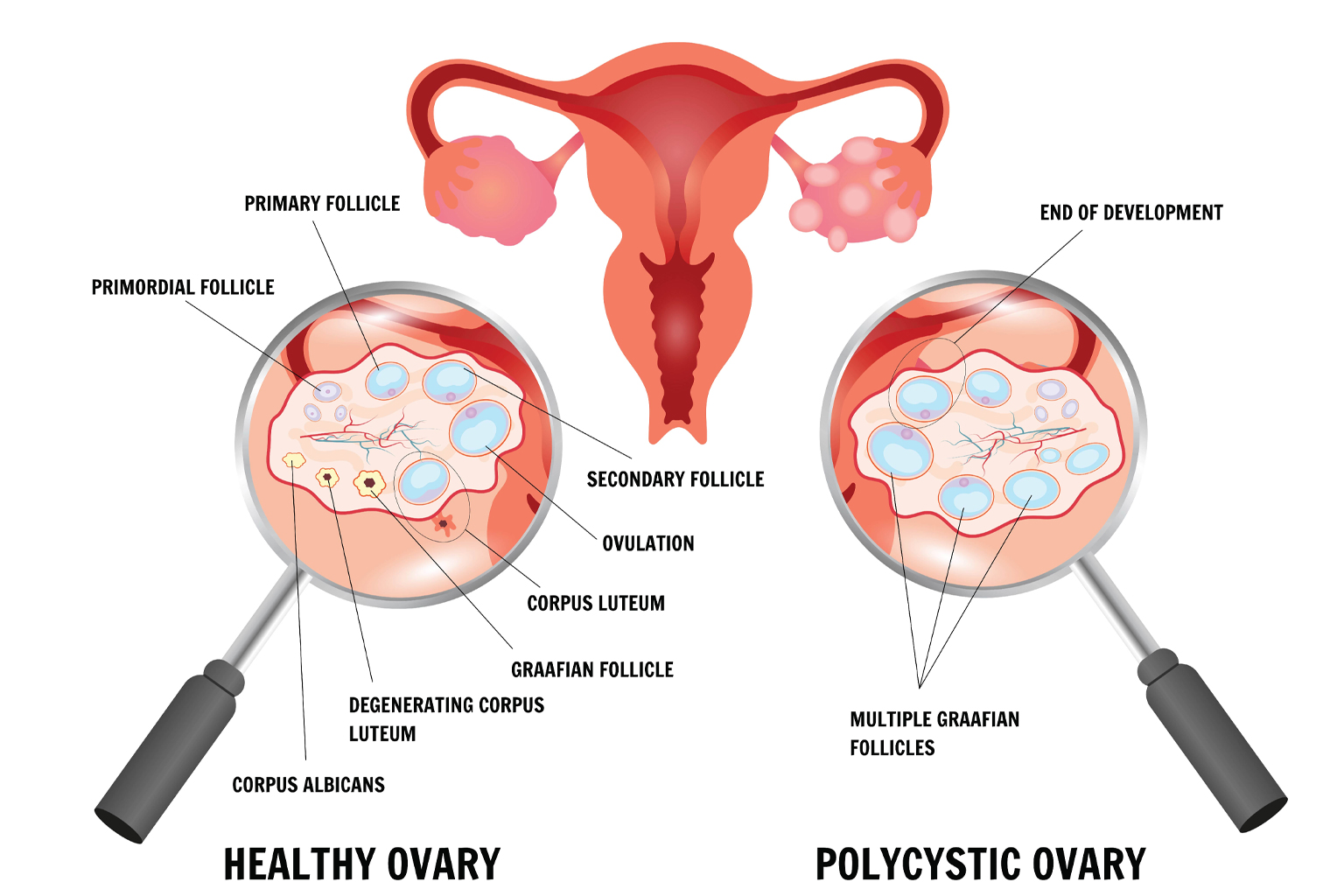
Polycystic Ovary Syndrome (PCOS) is one of the most common hormonal disorders affecting women today. It can impact menstrual cycles, fertility, metabolism, and overall health. Despite being common, many women remain unaware of its symptoms and long-term effects.
Understanding PCOS and managing it early can help you lead a healthy and balanced life.
PCOS (Polycystic Ovary Syndrome) is a hormonal condition where the ovaries produce excess androgens (male hormones), leading to irregular ovulation and multiple small cysts in the ovaries.
The exact cause of PCOS is not fully known, but several factors contribute to it:
If left unmanaged, PCOS can lead to:
PCOS is diagnosed through a combination of:
While PCOS cannot always be completely cured, it can be effectively managed with the right approach:
Stress can worsen hormonal imbalance, so practices like yoga and meditation can help.
Early diagnosis can prevent complications and improve long-term health.